

Legally Blind Benefits in the US: A Complete Guide to SSI, SSDI, and Financial Support
November 20, 2026
If you are legally blind, or a family member is, the list of benefits in the US can look confusing from the outside. Social Security runs two different disability programs, states add their own services, and some of the most useful help does not arrive as a monthly check. Many people are not sure what they are entitled to or where to start.
This guide to legally blind benefits explains how SSDI (Social Security Disability Insurance) and SSI (Supplemental Security Income) work, how much each can pay, how to apply, and what else is available, including Medicare, Medicaid, tax rules, free services, and funding for assistive technology. It covers US programs only. Rules differ in other countries, such as Canada and the UK, so if you live outside the US, check with your national agencies. Figures are labeled by year. Rules constantly change, so you should always confirm details with the agency before you act.
What Counts as Legally Blind for Benefits
Legally blind is a legal definition built on two measurements. Social Security says to be defined as legally blind, your vision cannot be corrected to better than 20/200 in your better eye, or your visual field is 20 degrees or less in that eye. In plain terms, 20/200 means you must stand 20 feet from what a person with typical vision sees clearly at 200 feet.
For SSDI, the vision loss must last or be expected to last at least 12 months. SSI has no duration requirement for blindness. If you do not meet the definition, you may still qualify when vision problems, alone or with other health conditions, prevent you from working.
Ask your eye care professional for your records, including best-corrected acuity and visual field results, since the definition depends on those measurements.
Legally Blind Benefits at a Glance: SSDI and SSI
SSDI (Social Security Disability Insurance) is based on your work record. SSI (Supplemental Security Income) is a needs-based program with no work history requirement. Which one applies depends on your work history and finances.
Social Security has published its 2027 figures, including a 3.6 percent cost-of-living adjustment. Each number here is labeled with its year, and rules change, so confirm current amounts with the Social Security Administration (SSA).
SSDI requires work credits. In 2026 you earn one credit for each $1,890 in covered earnings, up to four credits a year. Most applicants need 40 credits, with 20 earned in the 10 years before the disability began, and younger workers may qualify with fewer.
SSA applies special rules for people who are blind, and certain blind workers need to meet only the “duration of work” test. Ask SSA which test applies to you.
SSI has no work requirement. According to SSA's April 2026 publication, it limits countable resources to $2,000 for an individual and $3,000 for a couple, with exclusions such as your home, usually one car, and certain burial funds.
How Much Money Can You Get for Being Legally Blind?
There is no flat payment for being legally blind. What you receive depends on the program.
How much SSDI can you get?
Your SSDI payment is based on your lifetime earnings record, so it varies from person to person. SSA estimates that the average monthly benefit for all disabled workers will be $1,701 in January 2027 after the 3.6 percent cost-of-living adjustment, up from $1,642 before it. That average covers all disabled workers, including people who are blind.
Blind workers can earn more than other workers before SSA treats their work as substantial gainful activity: $2,830 a month in 2026 and $2,950 in 2027, compared with $1,690 and $1,770 for non-blind workers.
How much SSI do you get if you are legally blind?
The federal SSI payment standard is $994 a month for an individual in 2026 and $1,029 in 2027. Many states add money to the federal benefit, so your total may be higher depending on where you live. Other income, including Social Security and VA benefits, can reduce your SSI payment.
SSA ignores the first $20 of most monthly income and the first $65 of monthly earnings, and it counts only half of earnings above $65. It does not count wages a blind person spends on work expenses, such as transportation to work. Blind or disabled workers may keep SSI while working, and Medicaid coverage may continue.
How to Apply for Legally Blind Benefits
You apply for both SSDI and SSI through SSA. The process looks like this:
- Gather your records. Ask your eye care professional for your vision records, and bring originals or certified copies of any documents SSA requests.
- Apply online through SSA's disability application, or call 1-800-772-1213 (TTY 1-800-325-0778), Monday through Friday, 8 a.m. to 7 p.m., to schedule a telephone or in-person appointment. Appointments last about an hour.
- Ask for accessible notices. SSA can send notices in braille, audio CD, large print (18-point), or Microsoft Word on CD. You can request them by phone or through SSA's page for people who are blind.
- Expect a waiting period for SSDI. Monthly SSDI benefits generally start after a five-month waiting period, and the first payment arrives in the sixth full month after SSA finds your disability began.
- Report changes. SSA needs to hear about changes to your work, income, and personal information, and it sometimes reviews whether you still qualify.
SSA's publication If You're Blind or Have Low Vision: How We Can Help covers the special rules for blind applicants in detail.
Medicare, Medicaid, and Tax Rules
SSDI recipients get Medicare automatically after two years of disability benefits. SSI recipients may also get Medicaid, which helps pay doctor and hospital bills, and the state decides eligibility for Medicare premium help.
Blind people who are still working can ask SSA to exclude years of lower earnings caused by blindness when it calculates future benefits. This is called a disability freeze, and you contact SSA to file.
The IRS also allows an additional standard deduction for taxpayers who are blind. For tax year 2026, it is $2,050 if you are unmarried and not a surviving spouse, and $1,650 per qualifying person otherwise. Check IRS Publication 501 for current-year amounts.
State Programs, Vocational Rehabilitation, and Assistive Technology Funding
States add their own layers. Many add money to the federal SSI payment, and some run a separate vocational rehabilitation (VR) agency for people who are blind. VR agencies help eligible people prepare for, find, and keep employment.
Contact your state agency to ask what services it offers, including whether training or assistive technology can be part of your employment plan. To find the agency in your state, see the National Council of State Agencies for the Blind directory, which lists member agencies by state.
State assistive technology programs may offer device demonstrations, short-term loans, device reuse, and financial loans, depending on the state. Eligibility varies, so contact your state program directly. The AT3 Center directory of state AT Act programs lists contact details for each state and territory.
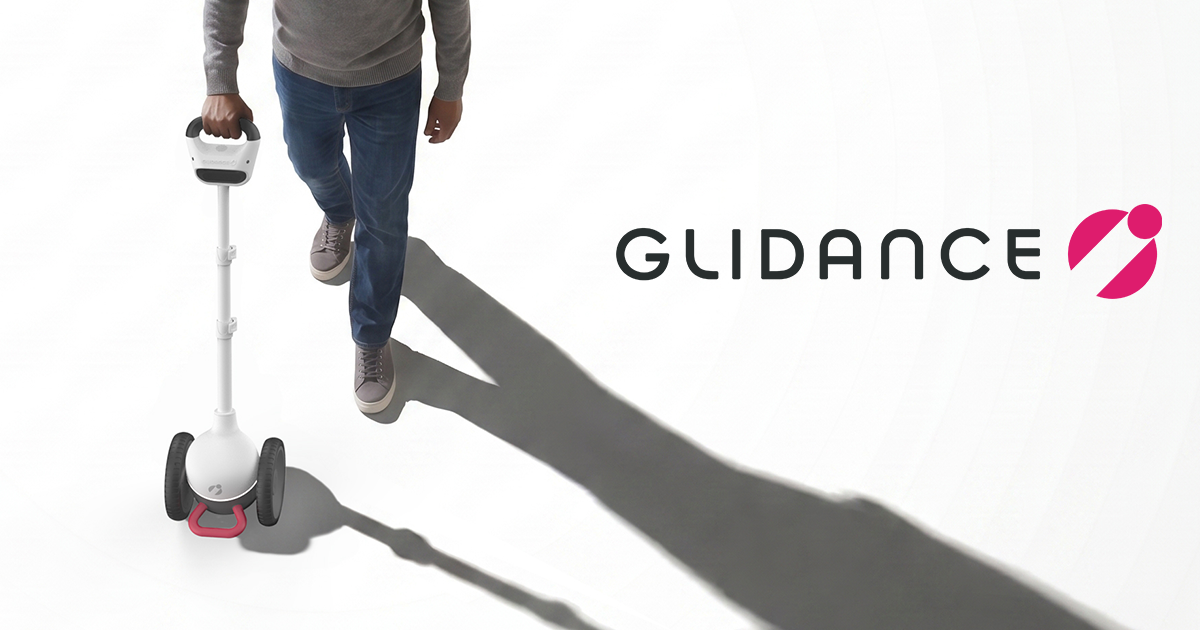
Equipment can cost more than a monthly benefit covers. Glide, a primary mobility aid from Glidance, sold out its preorder units at the $1,499 preorder price, and final retail pricing has not been announced yet. The Glidance FAQ states that it is not currently reimbursable by insurance companies in the US.
VR agencies and state assistive technology programs are possible funding paths, but neither is confirmed to cover Glide. Ask the program directly and get any approval in writing.
If you receive SSI, ask SSA how savings set aside for equipment are treated before you start saving, because SSI limits countable resources to $2,000 for an individual.
Veterans with sight loss may also qualify for VA services, including more advanced vision care and rehabilitation services for eligible blind or low vision veterans. VA disability compensation is separate from VA health care, and VA benefits count as income for SSI, so report them to SSA if you receive SSI.
Frequently Asked Questions
What benefits are legally blind people entitled to?
Eligibility depends on your work history, income, and state, so no benefit is automatic. Legally blind people may qualify for SSDI or SSI, Medicare after two years of SSDI, Medicaid for some SSI recipients, higher earnings limits while working, the additional IRS standard deduction, and state vocational rehabilitation services.
Free services include braille and audio books through the National Library Service and a free white cane from the NFB. Confirm each program with the agency that runs it.
Can I get disability for being legally blind?
Yes. Legally blind people can get money through SSDI or SSI, but meeting the definition does not qualify you automatically. SSDI also requires enough work credits, and SSI requires income and resources under the limits.
If you do not meet the legal definition, you may still qualify when vision problems prevent you from working, so apply and let SSA review your records.
Does being legally blind increase your Social Security benefits?
Being legally blind does not raise your SSDI payment, which is based on your earnings record. It does change some rules: blind workers can earn up to $2,830 a month in 2026 ($2,950 in 2027) before SSA treats the work as substantial gainful activity.
Blind people who are still working can also ask SSA to exclude lower-earning years caused by blindness, which can raise future benefits.
What can blind people get for free?
Several services cost nothing. The National Library Service for the Blind and Print Disabled provides braille and audio books and magazines free, downloaded or mailed to you. The NFB gives eligible blind individuals in the US a free straight fiberglass cane.
Guide dog schools such as Leader Dogs and Guiding Eyes charge students no fee, and SSA sends notices in braille, audio, or large print on request. Ask your state agency about training and other services.
What financial benefits do legally blind elderly people qualify for?
Older adults who are legally blind may qualify for retirement benefits based on their work record, SSI, Medicare, Medicaid, and Extra Help with Medicare prescription drug costs.
Taxpayers who are 65 or older and blind may get an additional standard deduction. Blind people who are still working can ask SSA about the disability freeze. SSA can tell you which programs fit your situation.
What assistive technology or equipment can people who are blind or have low vision get covered through benefits programs?
SSDI and SSI pay cash, so they do not buy equipment directly. Coverage comes from other programs, which vary by state and by person: VR agencies, state assistive technology programs, Medicaid, and VA services for eligible veterans.
Ask each program what it covers for your situation, and get any approval in writing, especially for newer products that insurance does not yet reimburse.
Putting Legally Blind Benefits to Work for You
Legally blind benefits come from several places: SSDI and SSI for income, Medicare and Medicaid for health coverage, tax rules, free services, and state programs for training and technology.
Start with SSA, ask your state VR agency about training and assistive technology, and keep records of every conversation and approval. Rules and figures change each year, so confirm current details with the agency before you rely on them.
Mobility tools are part of this picture. If you are weighing a primary mobility aid, a certified O&M specialist can help you choose, and you can join the Glide waitlist to hear when orders reopen.
Post Author
Jonathan Kalan
Jonathan Kalan is Head of Marketing & Brand at Glidance. For the past decade, his work has been focused on building, launching and communicating category-defining products, brands and experiences.
Ready to Glide?
Sign up below to receive more information about Glide, get in touch with our team, and secure your spot on our waitlist for when we re-open orders!


